
Ali Act Overhaul Sparks Heated Debate in 2026 U.S. Senate Hearing: Boxing’s Future at a Crossroads
The 2026 U.S. Senate hearing on the Ali Act overhaul ignites debate over boxing’s future, with Oscar De La Hoya and others warning of UFC-style control under proposed reforms.
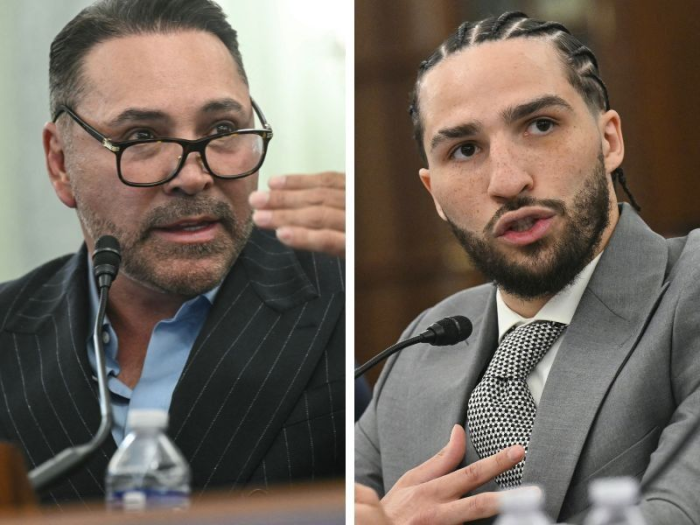
WASHINGTON, D.C. — Professional boxing’s long-standing regulatory framework is under intense scrutiny after a high-profile U.S. Senate hearing revisited the Muhammad Ali Boxing Reform Act, with lawmakers, promoters, and fighters sharply divided over proposed reforms that could reshape the sport’s power structure.
The hearing, titled “Return to Your Corners: Have Federal Boxing Laws Gone the Distance or Slipped the Jab?”, examined a House-passed bill known as the Muhammad Ali American Boxing Revival Act, which seeks to modernize boxing governance while introducing a controversial new system of “Unified Boxing Organizations” (UBOs).
A Radical Shift in Boxing Structure
At the center of the debate is whether boxing should adopt a more centralized model similar to MMA’s UFC structure.
The proposed legislation would allow UBOs to operate alongside traditional sanctioning bodies such as the WBC, WBA, IBF, and WBO, but with expanded control over rankings, titles, and fighter contracts.
Supporters argue the overhaul would:
- Improve fighter pay and minimum compensation standards
- Standardize rankings and championship pathways
- Increase investment and global promotion of boxing
But critics warn it could fundamentally alter boxing’s competitive balance.
Opponents say the bill risks weakening fighter autonomy by allowing promoters greater control over matchmaking and contracts, potentially reducing the bargaining power that the original Ali Act was designed to protect.
Oscar De La Hoya Leads Opposition
Former world champion and promoter Oscar De La Hoya emerged as one of the most vocal critics during the Senate hearing.
De La Hoya argued that the proposed system would prioritize corporate interests over fighters:
“This is a fundamental shift in power that, if enacted, would put corporate profits first and fighters second.”
He further warned that the sport risks moving toward a UFC-style centralized model where fighters have fewer choices and reduced leverage.
His comments echoed broader concerns from boxing figures who believe the Ali Act’s original protections—introduced in 2000—remain essential to preventing exploitation and conflicts of interest in the sport.
Supporters Push for Modernization
While opposition was strong, supporters of the bill—including some lawmakers and combat sports executives—argue the current system is outdated and fragmented.
Proponents claim the Ali Act overhaul would:
- Create clearer career pathways for fighters
- Reduce confusion from multiple sanctioning bodies
- Introduce improved safety standards and minimum pay structures
The House version of the bill passed with bipartisan support before moving to the Senate for review.
Fighters and Boxing Figures Divided
The hearing also highlighted a generational divide within boxing.
Some fighters and stakeholders support reform as a way to modernize the sport, while others—including Oscar De La Hoya and Nico Ali Walsh—warn that centralization could mirror labor concerns seen in other combat sports.
Ali Walsh, grandson of Muhammad Ali, emphasized that while safety improvements are welcome, structural changes must not undermine fighter independence.
What Happens Next?
The Senate is now expected to review amendments to the Revival Act before determining whether it advances to a full vote. If passed, it could become the most significant rewrite of U.S. boxing law since the original Ali Act was signed in 2000.
The outcome could define:
- How fighters are promoted
- How champions are crowned
- And how revenue is distributed across professional boxing
For now, boxing stands at a critical inflection point—caught between tradition and transformation.

Roberto Villa is the CEO, Founder, Executive Writer, and Senior Editor of FightBook MMA. Has a passion for Combat Sports and is also a podcast host for Sitting Ringside. He’s also a former MMA fighter and Kickboxer. He’s also the main photographer for the 4CornersMafia Car Club.