
The Evolution of MMA Apparel: From Functional to Fashionable
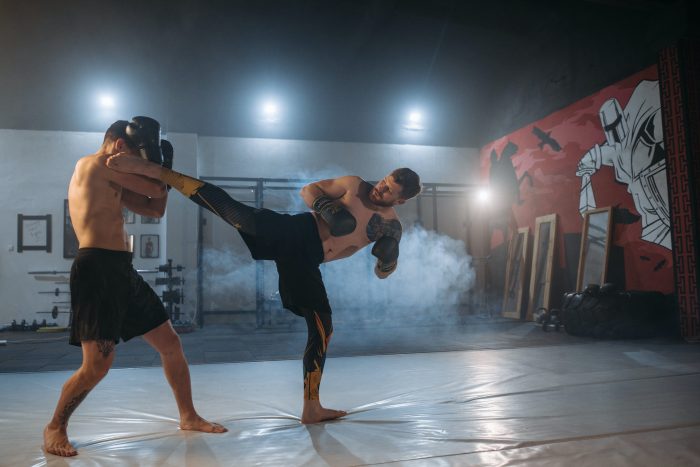
Mixed Martial Arts (MMA) has evolved as a sport and in its fashion sense. Gone are the days when
functionality was the sole consideration in MMA apparel. Today, these outfits reflect a blend of style, personality, and brand identity, mirroring the sport’s dynamic growth. This evolution has transformed MMA wear from mere fighting gear to a fashion statement, showcasing how the sport’s culture has permeated
everyday style.
Custom t-shirts have become a significant part of this transformation. Initially designed to meet the physical demands of MMA, these shirts now serve as a canvas for artistic expression and personal branding. This change parallels MMA’s journey from a niche combat sport to a mainstream phenomenon.
The Functional Beginnings
Early Days: Practicality Over Style
In the nascent stages of Mixed Martial Arts, the focus was purely on functionality. The pioneers of MMA were less concerned about the visual appeal of their attire and more about its practicality in a high-intensity combat situation. Apparel was crafted to withstand the rigorous and often unpredictable nature of MMA fights. Shorts, a staple in MMA gear, were designed loose and long, ensuring fighters had the maximum range of motion and flexibility. This was vital in a sport that combined striking and grappling, demanding quick, fluid movements.
Conversely, tops were usually plain, devoid of the flashy logos and designs that are common today. The minimal branding reflected the sport’s infancy, where sponsorship and commercial appeal were yet to make their mark. This practical approach directly mirrors MMA’s raw and unpolished nature during its formative years. The gear was rudimentary but effective, echoing the straightforward, no-frills ethos of
early MMA.
Material Innovation for Performance
As MMA began to carve out its niche in the world of sports, the technology behind its apparel evolved in tandem. The introduction of moisture-wicking fabrics was a game-changer. This technology, borrowed from other high-performance sports, helped keep fighters dry and comfortable, reducing the risk of overheating and allowing them to maintain focus and efficiency in the heat of combat.
Lightweight materials also came into play, balancing durability and comfort. These fabrics provided the resilience needed to endure the close-contact nature of MMA while not burdening the fighters with unnecessary weight. Additionally, reinforced stitching became a standard, addressing the need for gear to withstand the constant pulling and stretching typical in MMA matches.
This shift in material technology was not just about improving the durability of the apparel; it was about enhancing athlete performance. Well-designed gear plays a crucial role in a fighter’s agility, comfort, and endurance in the ring. As fighters pushed their limits, their gear had to evolve to keep up, leading to innovations that not only served their immediate needs but also began to hint at the potential for style and personal expression in MMA apparel.
Fashion Enters the Ring
The Rise of Customization
As MMA gained popularity, fighters began to see their apparel as a way to stand out and express individuality. Custom t-shirts with bold designs, unique color schemes, and personalized logos became commonplace. This trend extended beyond professional fighters; fans and amateurs embraced custom MMA gear to connect with the sport and its stars.
Branding and Personality
MMA apparel became a means for fighters to build their brand. Each piece of clothing, from the shorts to the walkout t-shirts, became a billboard for the athlete’s identity and sponsors. High-profile fighters collaborated with brands to create signature lines, elevating MMA gear to a fashion statement.
The Influence of Pop Culture and Fashion Trends
Mainstream Appeal
The influence of MMA on mainstream fashion is undeniable. MMA-inspired clothing lines began appearing in casual wear, with brands and designers taking cues from the sport’s aesthetic. The lines
between athletic wear and everyday fashion blurred as MMA apparel’s bold and functional design found a
place in mainstream wardrobes.
Collaborations and Crossovers
MMA’s entry into the fashion world led to collaborations with high-end designers and streetwear brands. These partnerships resulted in limited edition lines, merging the grit of MMA with contemporary fashion trends. The sport’s global appeal attracted diverse audiences, further integrating MMA style into global fashion.
Conclusion
The evolution of MMA apparel from functional to fashionable mirrors the sport’s transformation. It reflects a journey from underground fighting to a celebrated global phenomenon. Today, MMA wear is not just about performance in the ring; it’s about making a statement, building a brand, and being part of a broader cultural movement. As MMA continues to grow, its influence on the fashion world will likely expand, blurring more lines between athletic performance and style statement. The journey of MMA apparel is a testament to the sport’s enduring impact, both inside the ring and in the wider world of fashion and culture.

Roberto Villa is the CEO, Founder, Executive Writer, and Senior Editor of FightBook MMA. Has a passion for Combat Sports and is also a podcast host for Sitting Ringside. He’s also a former MMA fighter and Kickboxer. He’s also the main photographer for the 4CornersMafia Car Club.