
How To Pick a Gym Belt
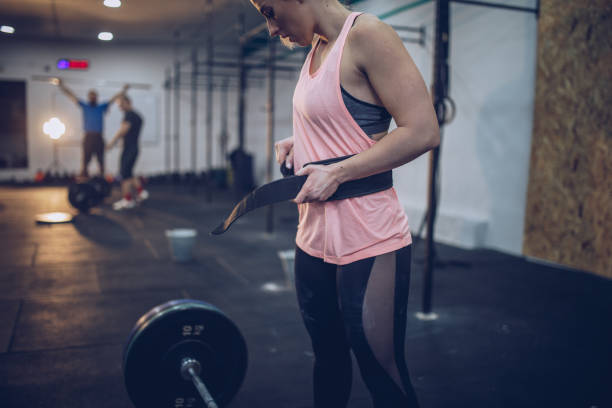
You’re no longer a newbie in the gym, you’re following a program, trying to lift heavier and build muscle, so naturally, you start looking for ways to make your journey easier, more productive, and effective. This is the moment in your fitness journey where you will likely start looking at what supplements to take, accessories to use, and injury-prevention tactics to utilize in order to become a better athlete overall.
If you’re into weightlifting, you will naturally see many people with belts around their waists at any commercial gym – typically worn during heavy exercises such as the squat and the deadlift, weightlifting belts are primarily used to provide support and to act as an outside pressure that helps your core remain engaged throughout the movement. But the funny thing is that there isn’t just one type of belt out there – in fact, there are many, and our primary mission today will be to help you find the right one for you.
So, if that sounds like something you’d be interested in, then keep on reading.
How to Choose a Weightlifting Belt
As you have likely seen online, there are all kinds of different belts – they differ by thickness (3 inch weight belt or more), material type, and fastening mechanism. What kind you should buy is likely confusing for any beginner, which is why we’re here to help.
Material
The first thing you should consider when it comes to your lifting belt is the material. It’s what determines how long-lasting and comfortable your belt will be, and the two main materials used are nylon and leather. Getting a leather lifting belt is great in almost all cases – they’re durable, high-quality, and will be incredibly supportive. The only downside to them is that they’re more difficult to break in, so you will have to use them for a while before getting completely used to the feel, but this comes with the perk that they’re generally a lot more supportive, so they’re better for particularly heavy lifts.
Nylon is also a good option, as it’s known to be incredibly elastic and durable. However, most people choose to get Nylon belts simply because they’re more comfortable and don’t require any break-in time. Along with that, they contour your body better and allow for more flexibility and mobility. Most novice lifters prefer nylon belts, and for most of them, they’re supportive enough and a good first choice for a belt.
Fastening Mechanism
Lifting belts have different fastening mechanisms – there are single and double-prongs, levers, and velcro. When it comes to single and double prongs, they’re usually used for leather belts, and you get a small increase in stability and support if you use double, but the single prong is typically more comfortable, as it’s easier to put on and take off. Next comes the lever buckle type fastening mechanism, which is perhaps the most popular and fun one to use, as it’s fast and incredibly comfortable, which most lifters enjoy. The one downside of them is that they can’t be adjusted easily – if you wear an M and your friend needs an L, you unfortunately won’t be able to give them yours.
Finally, we have the velcro belt – they’re the most comfortable on your torso, the easiest one to take off and put on, and also the least supportive one of the three.
Width and Thickness
The width of the belt shows you how much of your torso it will cover – a narrow one gives you more mobility, while a wider one provides more support. Typically, lifters opt for a 3 or 5-inch belt, as it gives the best support and won’t interfere with your rib cage and hips, regardless of how tall you are.
When it comes to thickness, the logic is simple – the thicker the belt, the more supportive it is. Additionally, a thick lifting belt gives you more safety and security. However, the downside is that it can feel like you have a wooden wall around your lower back and abs. Usually, most thick belts are made of leather, while thinner ones are made of nylon and are much more comfortable to wear and easier to get used to.
In Conclusion
What kind of belt you choose to get, depends on your lifting level and the kind of results you’re looking for. If you’re getting into powerlifting, a leather belt that’s thick and more supportive will be the better option for you long-term, as it will last longer and give you additional safety. However, if you’re just looking to improve your strength and you don’t plan on going too heavy – a nylon belt with a lever is more than good enough to give you the needed support. The same applies if you train in a sport like functional fitness or Olympic weightlifting – for those, a nylon belt is always the better option.

Roberto Villa is the CEO, Founder, Executive Writer, and Senior Editor of FightBook MMA. Has a passion for Combat Sports and is also a podcast host for Sitting Ringside. He’s also a former MMA fighter and Kickboxer. He’s also the main photographer for the 4CornersMafia Car Club.