
5 Reasons Athletes Should Swim in Their Free Time
There are many ways athletes spend their free time after a hard day of work, and swimming is one of the best methods to decompress before the next challenge.
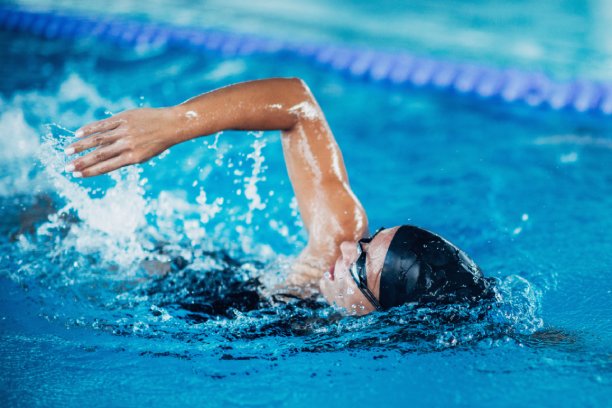
Recreational swimming offers numerous benefits for athletes across various sports. Regardless of where you are in your fitness journey, swimming can help enhance your physical and mental performance. Consider these reasons athletes should swim in their free time to improve their overall fitness.
1. Improved Cardiovascular Health
Swimming is an excellent cardio workout that strengthens the heart and boosts overall endurance. By immersing yourself in water and consistently engaging large muscle groups, you force your cardiovascular system to work efficiently, pumping oxygen to the body. This consistent cardio lowers blood pressure, improves circulation, and reduces resting heart rate, which is vital for athletes aiming to build stamina during high-intensity activities.
2. Low-Impact Exercise
Engaging in strenuous physical activities, such as combat training or wrestling matches, often takes a toll on athletes’ joints and muscles. Swimming provides a low-impact alternative that minimizes strain while still delivering significant benefits.
The buoyancy of water supports most of your body weight, reducing the stress on knees and hips. This makes swimming particularly valuable for recovery days or periods of rehabilitation when injuries are a concern.
3. Full-Body Workout
One of the standout qualities of swimming is its ability to engage nearly every muscle group in the body. The repetitive movements in various strokes target specific areas, including the shoulders, back, core, legs, and arms.
For athletes in physically demanding disciplines such as mixed martial arts or professional wrestling, this full-body engagement develops a balance of strength, flexibility, and endurance. Over time, swimming improves performance in other disciplines by ensuring muscles remain well-conditioned.
4. Enhanced Recovery
Swimming is an incredibly effective way to aid in post-workout recovery. Athletes should swim in their free time because the pressure and steady, rhythmic motions of water promote blood circulation and help flush out lactic acid from sore muscles.
Additionally, swimming in a cool pool reduces inflammation and relieves muscle soreness. Incorporating swimming into recovery routines helps the healing process and allows athletes to stay active without further exhausting their bodies.
5. Greater Mental Well-Being
Beyond the physical benefits, swimming also has a significant impact on mental wellness. Swimming can benefit mental health since the repetitive strokes paired with controlled breathing have a calming, meditative effect that reduces stress and improves focus.
Many athletes use swimming as a means to decompress after intense training schedules, allowing them to reset mentally. Regular swimming sessions also lead to better sleep and improved mood, thanks to the physical activity and relaxing movement.
Swimming is a dynamic activity that complements almost any sport. By improving cardiovascular health, providing a low-impact alternative for intense workouts, offering full-body engagement, aiding recovery, and fostering mental well-being, it stands out as an essential addition to an athlete’s routine. Consider heading to your nearest pool and experiencing these benefits firsthand. It may be the key to unlocking your full potential both in and out of competition.

Emma is a writer and editor passionate about providing accessible, accurate information. Her work is dedicated to helping people of all ages, interests, and professions with useful, relevant content.