
Martial Arts That Rely on Balance and Control
There are many different kinds of martial arts that both rely on and develop your sense of balance and control. Let’s talk about them today!
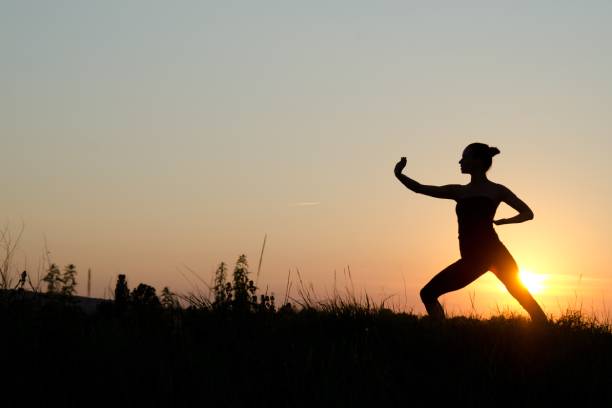
Mastering balance and control is essential in any athletic pursuit, but it forms the core of specific martial arts disciplines. These practices teach practitioners how to move gracefully, maintain stability, and apply precise force in combat or self-defense. Practicing the martial arts that rely on balance and control not only develops physical strength but also fosters mental focus and discipline. Avoiding some of the most common slip and fall injuries comes down to having a strong command of balance at any age. Here are four martial arts that emphasize these principles and refine both body and mind.
Tai Chi
Often referred to as “meditation in motion,” tai chi revolves around slow, deliberate movements and maintaining steady balance. Each posture flows seamlessly into the next, requiring the practitioner to constantly shift their weight with controlled precision. Beyond its combat origins, tai chi enhances lower body strength, flexibility, and coordination. It’s highly accessible and provides an ideal starting point for anyone seeking to improve stability while learning a martial art.
Brazilian Jiujitsu
Brazilian jiujitsu (BJJ) shines as a grappling-based martial art rooted in leverage and positional control. Practitioners must maintain balance while engaging in ground combat, continuously seeking dominant positions to neutralize an opponent. The focus isn’t on brute strength but rather on fluid movement and calculated positioning. Whether executing a takedown or escaping a hold, BJJ emphasizes the importance of balance in movement and in stillness.
Aikido
Aikido centers on using an opponent’s energy against them, relying on balance and control to deflect attacks. Techniques involve turning, spiraling, and redirecting force, requiring immense coordination and focus. Success lies in maintaining your equilibrium while disrupting your opponent’s. These principles make aikido ideal for practitioners interested in self-defense while avoiding unnecessary aggression or force.
Capoeira
Capoeira fuses martial arts with dance-like movements, demanding excellent balance and rhythm. Its acrobatic techniques push practitioners to control their bodies in dynamic transitions such as flips, kicks, and sweeps. Capoeira develops agility, strength, and spatial awareness, all of which directly benefit balance in everyday life. Though it’s thrilling to watch, it’s even more rewarding to practice and master its fluid, rhythmic motions.
Master Balance Through Practice
Martial arts that rely on balance and control offer more than just physical skills — they build unwavering focus and self-awareness. Whether you’re engaging in the slow elegance of tai chi or the dynamic flow of capoeira, each discipline hones stability and coordination. This isn’t just crucial for combat; it’s invaluable in daily life. Avoiding falls, improving posture, and boosting overall athleticism can all stem from cultivating balance. When you choose any of these arts, you tap into centuries of wisdom designed to benefit both mind and body.

Emma is a writer and editor passionate about providing accessible, accurate information. Her work is dedicated to helping people of all ages, interests, and professions with useful, relevant content.